

How Photographs Can Strengthen Your Snow or Ice Slip-and-Fall Claim
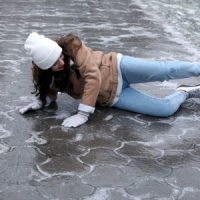
Winter in New York brings beautiful snow-covered streets, but it also increases the risk of slip-and-fall accidents. Slipping on icy sidewalks, parking lots, or building entrances can lead to serious injuries, including broken bones, sprains, or head trauma. If you’ve experienced a fall due to snow or ice, gathering evidence quickly is essential. Among the strongest pieces of evidence in a snow or ice slip-and-fall case are photographs. Visual evidence is usually more persuasive to insurance adjusters and juries.
The Importance of Photographs in Snow or Ice Slip-and-Fall Cases
In a snow or ice slip-and-fall accident, proving liability is key to receiving compensation. You must show that the property owner failed to maintain their premises in a safe state. Photographs offer strong visual evidence of hazards and conditions at the time of your fall.
For instance, pictures of black ice on a sidewalk or snow piled in a walkway can show that the property owner neglected their responsibility to prevent accidents. Clear, timely photos can significantly strengthen your claim by documenting the dangerous conditions, supporting your case, and helping insurance companies or courts understand the circumstances of your injury.
What Should You Photograph?
To ensure you have strong evidence after a snow or ice slip-and-fall accident, focus on photographing the following:
- Close-ups of the Hazard: Take clear, close-up pictures of ice patches, snow buildup, or wet areas where you fell. Include surrounding features like uneven pavement or cracks that contributed to your fall.
- Wide-Angle Shots of the Scene: Capture the general area to provide context, showing how far the ice extended and where you were in relation to entrances or exits.
- Your Footwear: Take pictures of your shoes to show that they were appropriate for the weather.
- Your Physical Injuries: Document all visible injuries immediately after the accident to support your claim for damages.
- Lack of Warning Signs: If there were no warning signs around the hazards, capture this absence to strengthen your case.
- Other Negligence Indicators: Photograph other indicators of negligence, such as poor lighting, uneven pavement, broken handrails, or obstructed walkways that may have contributed to your fall.
Tips for Taking Photos After a Snow or Ice Slip-and-Fall
Here are some tips to help you take useful photos after a snow or ice slip-and-fall accident;
- Use multiple angles: Capture images from different perspectives to provide a complete view.
- Include timestamps: Many smartphones automatically timestamp photos, which can help establish when the accident occurred.
- Keep photos clear and focused: Avoid blurry or dark images. Clear images are much more persuasive.
- Do not alter the scene: Avoid moving snow, ice, or objects before photographing to ensure your evidence is accurate.
The Importance of Acting Fast
Snow and ice conditions can change quickly. Hazards may be cleared or melt within hours. Taking photographs as soon as possible preserves the exact conditions at the time of your fall, making your evidence much stronger.
Combining Photos With Other Evidence
While photographs are powerful, they work best when combined with other pieces of evidence, including:
- Accident Reports
- Eyewitness Statements
- Medical Records
- Expert testimony
Together, this evidence creates a thorough record that can support your claim and demonstrate the property owner’s negligence.
Contact a Lawyer
If you’ve been injured in a snow or ice slip-and-fall accident, contact our experienced lawyer at Jacobson Law today to protect your rights and pursue the compensation you deserve.
