
Firefighter’s Rule Exceptions for Slip and Fall Accidents
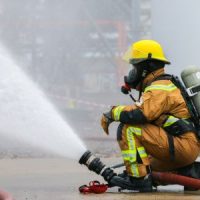
If you slip and fall in New York, you can usually sue the property owner for damages. But things get tricky if you’re a firefighter, police officer, or another emergency responder. That’s because of something called the Firefighter’s Rule.
This rule basically bars emergency responders from suing property owners for injuries sustained while performing their duties. So, for example, if a firefighter gets injured while battling a fire, the owner probably isn’t liable for those injuries. But the rule isn’t set in stone. There are cases where responders can still have a case.
Understanding the exceptions to the rule can mean the difference between a responder getting compensation or not.
Understanding the Firefighter’s Rule?
The Firefighter’s Rule is based on the fact that emergency responders willingly take on certain risks as part of their roles. The reality is that firefighters, police officers, and other emergency responders are trained and paid to handle dangerous situations.
However, in New York, this rule has been modified by law, including in New York General Municipal Law §§ 205‑a and 205‑e. These laws allow firefighters and police officers to file claims if a violation of a law, ordinance, or safety regulation caused their injuries.
In short, the Firefighter’s Rule doesn’t completely prevent emergency responders from filing slip and fall lawsuits. It just sets strict restrictions that must be met.
Slip and Fall Situations That Might Create Exceptions
Slip and fall incidents can sometimes fall outside the usual boundaries of the Firefighter’s Rule. There are several situations where an injured responder might be able to seek compensation, including:
Safety Laws or Codes Violations
A common exception arises when a property owner breaks a safety law. Say a building owner neglects to fix broken stairs or provide proper lighting, and a firefighter slips because of it. The injured firefighter could be eligible to file a personal injury claim.
Hazards Not Tied to the Emergency
Usually, the Firefighter’s Rule covers dangers arising from the emergency itself. But if a responder is injured by another hazard, the rule might not apply.
For instance, imagine a responder responding to a medical emergency who slips on a dangerously icy walkway that the property owner failed to clear. Because the hazard is unrelated to the emergency itself, the injured responder may have grounds for a premises liability claim.
Equipment Failure
If a slip and fall occurs because a piece of equipment failed, for instance, a ladder collapsing or a safety harness failing, the responder may have a direct claim against the equipment manufacturer.
Judges look at whether the hazard was part of the normal risks the responder expects when doing their work. If it wasn’t, the rule doesn’t apply.
Why Getting Legal Help Is Important
Cases involving the Firefighter’s Rule are rarely simple. Courts carefully examine the details of the accident, including the cause of the fall, the nature of the emergency, and whether any safety laws were violated.
Because these cases often involve complex rules and legal arguments, it’s best for injured responders to speak with a personal injury attorney who understands the law. Remember, even when the Firefighter’s Rule seems to apply at first glance, an exception could make a claim possible.
Contact Us for Legal Help
If you were injured in a slip and fall while responding to an emergency, contact a skilled lawyer at Jacobson Law to learn whether an exception allows you to pursue compensation.