

Can Subcontractors Be Sued After a New York Construction Site Injury?
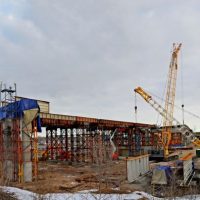
Construction sites in New York are dangerous places. Workers face hazards such as unsafe scaffolding, falling tools or materials, exposed wires, malfunctioning equipment, collapsing trenches, and accidents involving heavy machinery.
If you get hurt, it’s easy to think your only option is workers’ compensation from your employer. But sometimes you can also hold other parties, including a subcontractor, responsible if their negligence contributed to your accident.
Why Subcontractors Can Be Held Accountable
Most construction projects usually bring together several companies at one location. The general contractor hires subcontractors for specialized tasks, such as electrical installation, plumbing, roofing, and steelwork. With so many teams working in the same space, safety hazards can develop quite easily.
A subcontractor can be held legally responsible if their careless actions or inaction led to dangerous conditions. Common examples include poorly assembled scaffolding, unsecured tools, debris left where people walk, unsafe crane operation, electrical hazards, or simply not following safety rules. If what a subcontractor did (or didn’t do) directly caused your injury, you may be able to sue them.
Workers’ Compensation and Third-Party Claims
New York law requires employers to provide workers’ compensation coverage for injured employees. That means your medical bills and some lost wages are covered, no matter who caused the accident.
However, workers’ compensation usually prevents employees, including construction workers, from suing their employer. The good news, however, is that this restriction does not extend to subcontractors or other companies working on the same project. If you suffered an injury and a subcontractor is responsible, you can file a third-party lawsuit against them.
These third-party claims are very important. Workers’ compensation covers only a portion of your damages. Third-party lawsuits allow you to seek additional damages, such as pain and suffering, future lost earnings, future medical expenses, and diminished earning capacity.
New York Labor Laws and Construction Workers
New York has several labor laws that are especially important in construction accident cases, including Sections 240 and 241. For instance, Labor Law 240, also known as the Scaffold Law, addresses gravity-related accidents involving falls from heights or falling objects. If contractors or property owners fail to provide the required safety gear, they can be held strictly liable. Sometimes, subcontractors get involved in these cases, too, if their actions contributed to unsafe conditions at the site.
The Importance of Evidence
However, with all the above said, whether you can sue a subcontractor primarily depends on the available evidence. You need evidence showing who controlled the area where the injury happened, who created the hazard, and whether safety rules were ignored.
Helpful evidence may include accident reports, witness statements, OSHA investigation reports, site photos, surveillance videos, inspection records, and maintenance logs. And since evidence can vanish fast after an accident, it’s important to move quickly to protect your rights.
In summary, yes, you can sue a subcontractor in New York after a construction site injury if their negligence contributed to what happened. And while workers’ compensation is helpful, third-party claims can offer much greater financial recovery.
Contact Us for Legal Help
If you’ve been injured on a New York construction site, contact our experienced lawyers at Jacobson Law for help understanding your legal options and pursuing the compensation you may be entitled to.
Source:
nysenate.gov/legislation/laws/LAB/240
